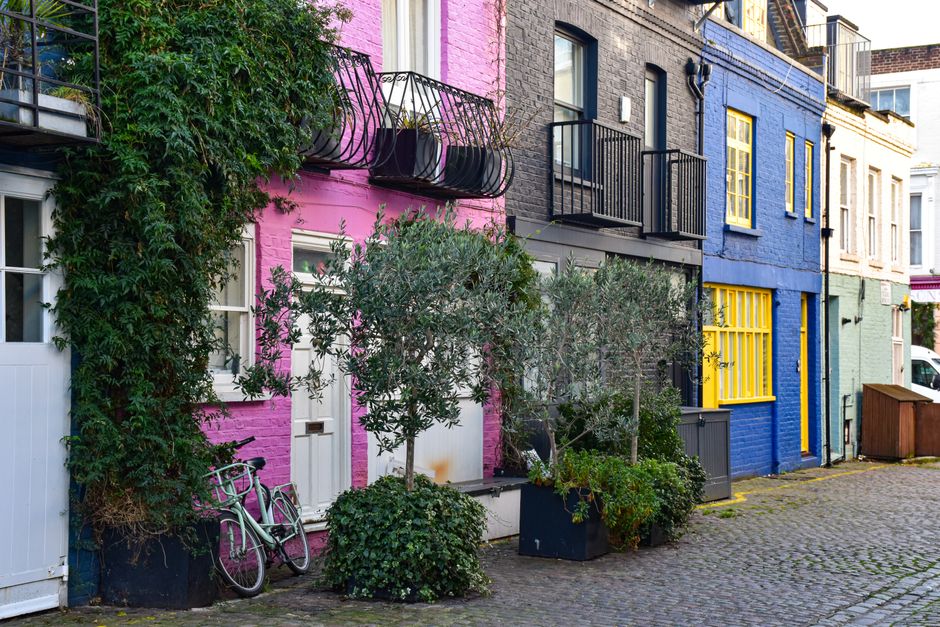
Brompton gardeners for small terraces on Brompton Road
Small terraces can be some of the most rewarding gardens to work on. They are intimate, visible from the house all day, and easy to spoil with one poor planting choice or a piece of furniture that is just a bit too chunky. That is exactly why Brompton gardeners for small terraces on Brompton Road are such a useful specialist service: they know how to make tight outdoor spaces feel calm, elegant, and genuinely usable without overfilling them.
In a place like Brompton Road, where space is precious and expectations are high, a terrace garden has to do a lot of work. It should look polished from the kitchen window, cope with London weather, and stay manageable when life gets busy. This guide explains how the process works, what good terrace gardening actually looks like, and how to choose the right approach for your own space. If you want the short version: the best results usually come from simple structure, restrained planting, and maintenance that never lets things get messy in the first place.
- Keep reading if you want practical, realistic ideas for a compact terrace.
- Keep reading if you are weighing up maintenance, design, or clearance work.
- And keep reading if you have ever stood on a tiny terrace and thought, "Where on earth do I start?"
Table of Contents
- Why Brompton gardeners for small terraces on Brompton Road Matters
- How Brompton gardeners for small terraces on Brompton Road Works
- Key Benefits and Practical Advantages
- Who This Is For and When It Makes Sense
- Step-by-Step Guidance
- Expert Tips for Better Results
- Common Mistakes to Avoid
- Tools, Resources and Recommendations
- Law, Compliance, Standards, or Best Practice
- Options, Methods, or Comparison Table
- Case Study or Real-World Example
- Practical Checklist
- Conclusion
- Frequently Asked Questions
Why Brompton gardeners for small terraces on Brompton Road Matters
Small terraces are not miniature versions of full gardens. That sounds obvious, but it is a mistake people make all the time. A terrace near Brompton Road might have hard paving, a few planters, a narrow side run, and maybe a wall or railing that gets more attention than the planting itself. In those conditions, every decision matters. A plant that grows too wide can block the whole space. A dark surface can make the terrace feel cramped. Too many ornaments can make it look fussy instead of stylish. It happens quickly.
Good terrace gardeners understand proportion. They know how to use height, repetition, texture, and seasonal colour to make a small area feel composed. They also understand that a terrace has practical needs: drainage, access, privacy, shade, and a layout that makes sense when you actually step out with a coffee on a damp morning in March. Not glamorous, perhaps. Very real though.
There is also the local context. Brompton Road properties often sit within tightly arranged urban plots, with shared boundaries, overlooking windows, and limited storage for tools. That means terrace gardening has to be tidy, efficient, and respectful of neighbours. It is not just about beauty. It is about making a compact outdoor space work day after day.
Expert summary: On a small Brompton Road terrace, the best garden is usually the one that looks intentional from every angle, needs less correction, and still feels inviting in winter as well as summer.
If you are planning a bigger refresh, or the terrace needs more than surface tidying, it can help to look at wider support such as the full services overview or a more design-led approach through landscape gardening.
How Brompton gardeners for small terraces on Brompton Road Works
The process usually starts with a proper look at the space. That sounds basic, but it is where the useful work begins. A gardener will assess the terrace's dimensions, light levels, drainage, current planting, existing containers, and how you want to use the area. Is it for morning coffee, evening entertaining, or simply something green outside the back door? The answer changes the plan quite a lot.
From there, the work often falls into a few stages:
- Assessment and priorities. Identify what must stay, what should go, and what is simply not working.
- Clearance and reset. Remove dead material, tired pots, and anything that makes the terrace feel overloaded. For heavier tidy-ups, garden clearance can be the practical starting point.
- Structure first. Add or refine the bones of the space: boundaries, levels, pots, edging, surfaces, or seating.
- Planting plan. Choose plants that suit shade, wind, and the amount of care you can realistically give them.
- Finishing and maintenance. Keep the terrace in shape so the design does not unravel after a few weeks.
The trick is not to cram in too much at once. A terrace with breathing space feels more expensive, more restful, and frankly more grown-up. To be fair, that is usually what people want on Brompton Road: something calm and polished, not a plant shop exploded on the paving.
Maintenance matters just as much as the one-off makeover. Routine support such as garden maintenance keeps containers healthy, stops weeds from taking over joints, and helps the whole terrace stay sharp between seasons.
Key Benefits and Practical Advantages
The obvious benefit is visual improvement, but the real value goes deeper than that. On a small terrace, every square metre has to earn its keep. A thoughtful gardener can make the space feel bigger, easier to use, and less stressful to manage.
- Better use of limited space. Compact layouts can still include seating, planting, and clear movement routes.
- Cleaner, calmer appearance. Clutter is the enemy of small outdoor areas.
- Lower maintenance burden. The right planting plan reduces constant trimming and replacements.
- Improved privacy. Carefully placed screening can soften overlooking without turning the terrace into a wall of green.
- More usable seasons. A well-planned terrace feels inviting in early spring, not just in high summer.
- Better long-term value. Regular upkeep can prevent small issues from becoming expensive repairs.
There is also a psychological benefit that people do not always mention. A compact terrace done well can change how the home feels. You open the doors and, instead of seeing a messy corner or a neglected patch, you see a deliberate little outdoor room. That has a quiet effect on everyday life. Morning light, a chair, a pot with something silver-leaved catching the sun. Simple, really. But it matters.
Where hard landscaping is needed, such as retaining structure, path definition, or a smarter surface finish, you may also want to review landscaping or, for more specific built elements, decking services.
Who This Is For and When It Makes Sense
This kind of service is not only for people who love gardening. In fact, some of the best terrace garden clients are the ones who do not want to spend weekends pruning, repotting, and battling green slime on paving. They just want the space to look good and work properly.
It tends to suit:
- homeowners with compact rear terraces or courtyard-style spaces
- busy professionals who want a low-fuss outdoor room
- landlords preparing a property for sale or let
- residents who have inherited an overgrown or tired terrace
- people who want privacy, screening, or a cleaner layout
- anyone who has tried to DIY the space and ended up with three mismatched pots and a slightly sad lavender plant. We have all seen that phase.
It makes sense when the terrace feels out of proportion, when plants keep failing, or when the area has become more storage zone than garden. It also makes sense if you simply want a better plan before buying anything new. A good gardener can save you from expensive mistakes, which is often the part people appreciate most after the event.
If you are comparing support levels, it can help to look at lawn mowing for any adjacent grass areas, or hedge and boundary work via hedge trimming when screens and edges need keeping neat.
Step-by-Step Guidance
If you are approaching a small terrace from scratch, here is the clearest way to think about it.
- Measure the usable space. Not just the full terrace size, but the actual standing and walking areas. Door swings, steps, and storage access matter too.
- Decide the job of the terrace. Is it a dining spot, a quiet reading place, a display garden, or a mix of all three?
- Clear out the obvious clutter. Remove broken pots, soil bags, dead stems, and anything that has sat there too long. This alone can transform the feel.
- Sort the surfaces. Power-washing, weeding between joints, and refreshing edging can make the whole terrace feel cleaner without adding anything new.
- Build a simple structure. One seating area, one or two strong container groups, and a clear circulation path is often enough.
- Choose plants by conditions, not wishful thinking. Shade, wind, and aspect should drive the plan.
- Check maintenance requirements. If a plant needs constant fussing and you are never there, it is the wrong plant. Honest, but true.
- Set a maintenance rhythm. A light monthly check and seasonal reset usually works better than waiting for everything to collapse at once.
A practical tip: take photos before moving anything. Small terraces can be deceptive, and a quick before-shot helps you spot awkward bottlenecks or wasted corners. Sounds almost too simple, but it is one of those things that pays off.
Expert Tips for Better Results
The best terrace gardens often look effortless because the thinking behind them is disciplined. Here are a few things experienced gardeners tend to do instinctively.
- Use repetition. Two or three repeated plant types often look better than ten different varieties fighting for attention.
- Think vertically. Walls, railings, trellises, and tall containers help a small terrace feel layered without taking up floor space.
- Prefer texture over quantity. Leaf shape, colour tone, and pot material can do more visual work than lots of flowers.
- Keep a restrained palette. Too many colours can make a terrace feel noisy.
- Leave some emptiness. Empty space is not wasted space. On a small terrace, it is often what makes the space feel premium.
- Group pots intentionally. One lonely pot looks accidental. A cluster looks planned.
- Plan for winter. A terrace should still feel decent in February, not just when everything is in bloom.
Truth be told, winter is where a lot of terrace designs are exposed. Once the flowers are gone, the structure either holds the space together or it does not. That is why strong evergreen bones and good containers matter so much.
If there are larger shrubs or small trees crowding the terrace, it may be worth discussing tree lopping and removal carefully, especially where light, access, or safety is affected.
Common Mistakes to Avoid
Small terraces magnify mistakes. A design error that would be minor in a large garden can dominate a Brompton Road terrace. Here are the most common problems we see.
- Overplanting. Too many plants create visual friction and long-term maintenance problems.
- Ignoring drainage. Terraces that hold water or trap damp will quickly suffer.
- Using oversized furniture. A table that looks elegant in a showroom can bully a small terrace into submission.
- Choosing plants for looks alone. A plant that hates shade, wind, or drying pots will not thank you.
- Mixing too many styles. Rustic pots, glossy planters, and modern metal screens can work together, but not if there is no thread holding them together.
- Letting maintenance slide. A tidy design can become untidy surprisingly fast. A month or two, and suddenly the whole thing has gone a bit feral.
Another common error is trying to make the terrace do everything. Dining, herb growing, storage, wildlife support, privacy, and display planting can all live together, but only if the layout is carefully edited. If not, the space starts negotiating against itself.
For properties needing a broader tidy-up first, garden clearance can remove the overload before the better design work begins.
Tools, Resources and Recommendations
You do not need a shed full of specialist kit to keep a small terrace looking good. In fact, too much equipment is often part of the problem. The useful basics are usually enough.
| Item | Why it helps | Best use on a small terrace |
|---|---|---|
| Secateurs | Clean, precise trimming | Deadheading, light pruning, container care |
| Hand fork and trowel | Easy planting and soil refresh | Replanting pots, loosening compacted compost |
| Watering can or hose with control | Gentle watering | Containers and delicate planting |
| Soft broom | Fast daily tidy-up | Leaves, grit, and debris on paving |
| Good-quality pots | Better drainage and design impact | Structural planting groups |
| Mulch or top dressing | Moisture retention and tidy finish | Container maintenance and soil protection |
Practical recommendations matter too. Look for plants that match the terrace's aspect, and do not be shy about asking for a maintenance-friendly plan. Some people want sculptural evergreens; others want scent, or seasonal flowers, or herbs near the kitchen door. All fine. The real question is whether the plan suits the way you live.
For service planning, booking, and pricing expectations, the pages on pricing and quotes and payment and security are useful starting points. If sustainability matters to you, recycling and sustainability can also help shape a more responsible approach.
Law, Compliance, Standards, or Best Practice
For terrace gardening, the main compliance focus is usually practical rather than dramatic. You are generally dealing with safe access, neighbour awareness, disposal of waste, and sensible handling of work at height or with tools. In London, that often means being careful with shared boundaries, avoiding unnecessary disturbance, and checking that any larger works are appropriate for the property.
Best practice usually includes:
- working safely around steps, railings, and wet paving
- making sure tools and materials are stored securely during visits
- disposing of green waste responsibly
- avoiding damage to shared surfaces or neighbour boundaries
- checking access routes so work does not cause avoidable disruption
If a job involves larger structural changes, drainage concerns, or significant tree work, that deserves a more cautious conversation. It is not something to rush. A reputable gardener should be clear about what can be done safely and what may need specialist support. For company-level standards and working practices, it can be sensible to review insurance and safety as well as health and safety policy.
There is also a service etiquette side to all this. Clear communication, punctuality, respect for the property, and tidiness after the job are not extras. They are basic expectations. Quietly, they matter a lot.
Options, Methods, or Comparison Table
Not every terrace needs the same level of intervention. Some need light maintenance. Others need a full reset. And a few need a bit of both, which is annoyingly common. Here is a simple comparison to help you think it through.
| Approach | Best for | What it includes | Trade-off |
|---|---|---|---|
| Light maintenance | Terraces that are already in decent shape | Tidying, pruning, weeding, container refresh | Less change, but lower cost and disruption |
| Refresh and replant | Spaces that look tired but have good structure | New planting, better pots, improved layout | Needs a clear design brief |
| Full terrace redesign | Overcrowded, awkward, or neglected spaces | Clearance, layout changes, new hardscape features, planting plan | More work, more planning, usually more budget |
| Maintenance-led management | Busy households or rental properties | Regular visits, seasonal checks, low-fuss plant care | Less dramatic transformation, but more consistency |
In practice, a lot of Brompton Road terraces do best with the middle two options. A full redesign can be worthwhile, but if the underlying structure is sound, a good refresh is often the smarter route. It gives you the lift without unnecessary expense or disruption.
Case Study or Real-World Example
Here is a typical scenario. A compact terrace off Brompton Road has a mix of old planters, tired lavender, some self-seeded weeds in the paving joints, and a small seating area that has become awkward because the furniture is just too wide. The owner wants the space to feel calm and useful, but does not want a full garden rebuild.
The solution starts with clearing. Old pots are removed, the paving is cleaned, and the planting is thinned rather than simply replaced. Then the layout is simplified. One pair of slimmer planters is placed where they can frame the view from inside. A taller screen plant is added for privacy. A compact chair set replaces the bulky furniture. The result is not flashy. It is better than flashy. It feels like the terrace belongs to the house.
A few weeks later, the difference is in the daily use. The terrace is easier to step onto, easier to water, and easier to keep neat. On a bright morning, the whole thing reads cleanly from the kitchen. On a grey evening, it still has shape. That is the mark of a good small-space garden: it holds together even when the weather is not helping.
When the job includes repeated upkeep, a scheduled visit plan through garden maintenance can keep the terrace from drifting back into clutter.
Practical Checklist
Use this as a quick planning aid before you start, or before you ask for help.
- Have I measured the actual usable space?
- Do I know what the terrace is mainly for?
- Are there any drainage or damp issues?
- Which plants suit the light and exposure?
- Is there enough clear space to move comfortably?
- Have I removed broken, dead, or unused items?
- Do I need clearance, maintenance, planting, or a redesign?
- Is privacy an issue from neighbouring windows or higher levels?
- Will the plan still look good in winter?
- Can I realistically maintain this myself, or should I book support?
Quick reality check: if the terrace feels crowded before you have even added anything new, it probably needs editing first, not more shopping.
Conclusion
Brompton Road terraces are small, yes, but they are also full of potential. With the right approach, a modest outdoor space can become one of the best parts of the home: a place to pause, to breathe, and to enjoy a little bit of green without fuss. The key is not to fight the size of the terrace. Work with it. Use structure, careful planting, and a maintenance rhythm that keeps the garden looking composed.
Whether you need a light refresh, a full clear-out, or a smarter long-term plan, the best results come from restraint, good judgement, and an eye for detail. That is the quiet skill behind excellent terrace gardening. Nothing dramatic. Just well-placed, well-kept, and honest about the space in front of you.
If you are ready to turn a cramped terrace into something calmer and more usable, speak with a specialist who understands compact London outdoor spaces and can guide you from first tidy-up to final finish.
Get a free quote today and see how much you can save.
Frequently Asked Questions
What do Brompton gardeners for small terraces on Brompton Road actually do?
They help plan, tidy, plant, and maintain compact outdoor spaces so they feel usable and look considered. That can include clearance, pruning, container planting, layout improvements, and ongoing maintenance.
Is terrace gardening different from normal garden maintenance?
Yes, quite a lot. A small terrace needs tighter planning, more attention to proportion, and better control of clutter. In a compact space, one wrong pot or oversized shrub can throw everything off.
How often does a small terrace need maintenance?
It depends on the planting and the season, but many terraces benefit from at least light regular attention. In practice, small spaces show neglect faster, so a steady routine is usually better than occasional big jobs.
Can a very small terrace still look stylish?
Absolutely. Some of the best terrace gardens are tiny. They just rely on clearer structure, fewer materials, and more thoughtful planting. Small does not mean boring. Far from it.
What are the best plants for a Brompton Road terrace?
The best choice depends on light, wind, and how much care you want to give them. A good gardener will choose plants for the conditions rather than guessing from appearance alone. That is the difference between thriving and merely surviving.
Do I need a full redesign or just a tidy-up?
If the terrace already has a sensible layout, a tidy-up and refresh may be enough. If it feels overcrowded, awkward, or worn out, a more substantial redesign might be the smarter option. A quick assessment usually makes that clear.
What if my terrace has poor drainage?
Poor drainage should be addressed early, because it affects plant health and can make the terrace unpleasant to use. The solution may be simple or may need more considered work, depending on the cause.
Are container gardens easier to manage on small terraces?
Usually, yes. Containers give you more control over soil, position, and style. They also let you change the look more easily. The downside is that pots dry out faster, so watering and feeding matter more.
Can gardeners help with privacy on overlooked terraces?
Yes. Screening plants, trellises, and better layout choices can all improve privacy without making the space feel closed in. The trick is to soften sightlines, not block every view.
How do I avoid making a small terrace feel cluttered?
Use fewer, better things. Group pots, repeat materials, and leave some open space. It sounds simple because it is. The hard part is resisting the urge to add just one more decorative piece.
What should I ask before booking a terrace gardening service?
Ask what is included, how the space will be assessed, whether the plan is maintenance-friendly, and what happens if clearance or extra work is needed. It is also sensible to ask about safety, waste handling, and how the garden will be kept tidy during the job.
Is a small terrace worth investing in?
Yes, especially if it is part of everyday life. A well-designed terrace adds comfort, visual calm, and usable outdoor space. Even modest improvements can make a home feel more complete. And honestly, that little daily lift is often the real payoff.
If you are comparing service options, it can help to start with about us to understand the approach, or move straight to contact us if you are ready to discuss your terrace in detail.