Cost guide for Brompton garden maintenance SW3 real cost
If you are trying to work out the Cost guide for Brompton garden maintenance SW3 real cost, you are probably asking the same question most homeowners ask after the first spring tidy-up: what should this actually cost, and what is fair for the job I need? In SW3, the answer is rarely one neat number. Garden size, access, plant density, waste removal, and how often the garden is maintained all change the final figure. A small tidy front space can be very different from a larger courtyard with mature shrubs, stubborn ivy, and a lawn that has gone a bit wild. This guide breaks the pricing down clearly, so you can budget properly, compare quotes sensibly, and avoid paying for more than you need.
To make things more practical, we will look at the real cost drivers, the usual ways maintenance is priced, the common extras that catch people out, and how to judge value rather than just the lowest quote. If you want a fuller overview of the wider service offer, you can also explore the site's services overview and the dedicated garden maintenance page.
Table of Contents
- Why Cost guide for Brompton garden maintenance SW3 real cost Matters
- How Cost guide for Brompton garden maintenance SW3 real cost Works
- Key Benefits and Practical Advantages
- Who This Is For and When It Makes Sense
- Step-by-Step Guidance
- Expert Tips for Better Results
- Common Mistakes to Avoid
- Tools, Resources and Recommendations
- Law, Compliance, Standards, or Best Practice
- Options, Methods, or Comparison Table
- Case Study or Real-World Example
- Practical Checklist
- Conclusion
- Frequently Asked Questions
Why Cost guide for Brompton garden maintenance SW3 real cost Matters
Garden maintenance sounds simple until you start pricing it properly. Then the moving parts show up fast. In SW3, where homes often have compact but high-value outdoor spaces, even a "small" garden can need specialist care because access may be tight, waste removal can be awkward, and planting may be more decorative than low-maintenance. A neat border, clipped hedge, and healthy lawn all take time. Time costs money. Not glamorous, but true.
The reason a cost guide matters is that it helps you separate routine upkeep from restoration work. Those two things are not the same. Routine upkeep might be mowing, light weeding, deadheading, leaf collection, and hedge shaping. Restoration may involve overgrown beds, heavy pruning, clearance, turf repair, or repairing a neglected space before regular maintenance can even begin. If you price those the same, you will almost always get a misleading quote.
There is also a trust angle here. A realistic price tells you whether a quote has been built carefully or dashed off in a hurry. That matters in a part of London where many gardens are seen from kitchens, terraces, and ground-floor windows every day. You notice the difference between thoughtful, regular care and a rushed once-over. You really do.
Expert summary: In SW3, the real cost of garden maintenance is driven less by "garden size" alone and more by access, frequency, waste handling, plant complexity, and whether the space needs ongoing upkeep or a catch-up clean.
For readers comparing maintenance with one-off site tidying, the garden clearance service is also relevant, because clearance jobs can sit alongside maintenance but are often priced differently.
How Cost guide for Brompton garden maintenance SW3 real cost Works
Most garden maintenance pricing falls into one of three approaches: hourly rates, fixed visit prices, or tailored quotes. Each has its place. Hourly pricing works well for jobs where the amount of work is uncertain, such as an overgrown border that may hide old roots, broken stems, or a surprise pile of debris. Fixed prices suit regular maintenance once the garden's workload is understood. Tailored quotes are common when the work combines several tasks, such as mowing, hedge trimming, pruning, and waste disposal in one visit.
In practice, a contractor will usually assess a few things before giving a cost:
- Garden size and shape
- Type of planting and density of growth
- Condition of the lawn
- Access for tools, waste bags, and green bins
- Height and reach of hedges or shrubs
- Whether waste removal is included
- How often the garden will be maintained
Here is the bit that people often miss: maintenance is not just about physical labour. It includes planning, tidying, sorting materials, moving between areas, and leaving the space properly finished. A 45-minute job can easily become a two-hour visit if access is awkward or waste has to be carried through a property by hand. To be fair, London gardens can be like that a lot of the time.
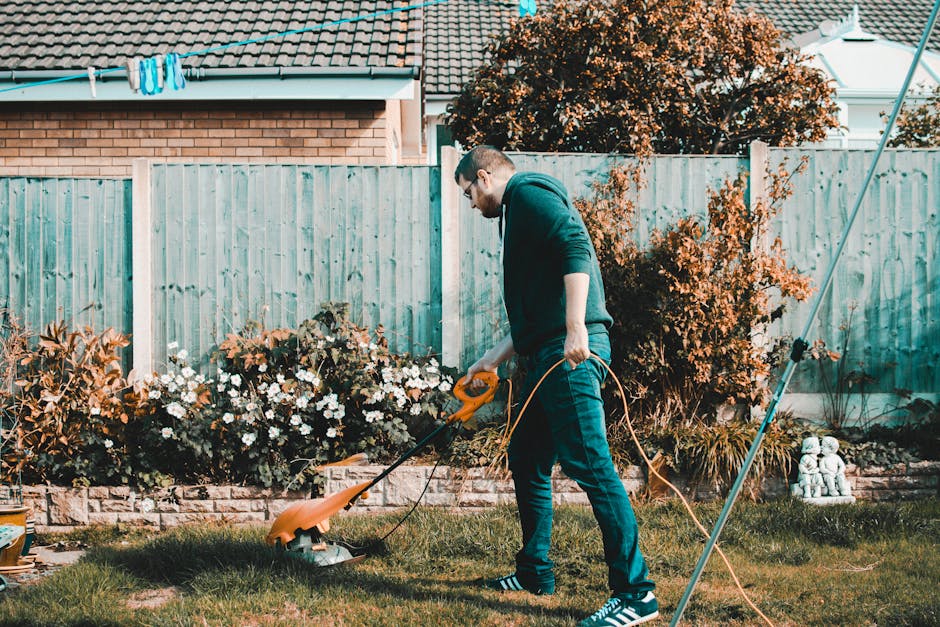
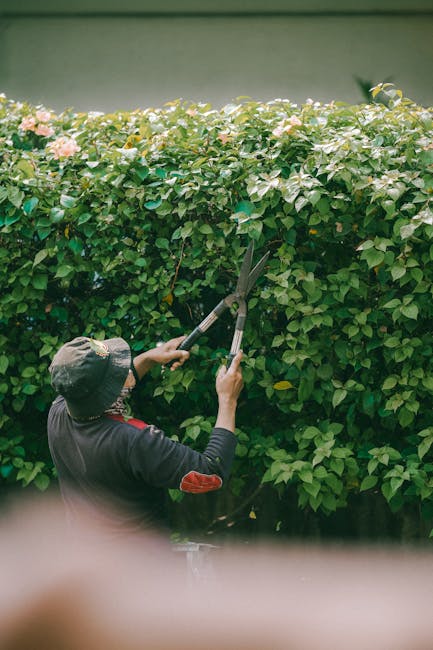
If your garden includes a lawn that needs regular attention, the lawn mowing service is usually one of the clearest cost components to isolate. Hedge work is another common add-on, and you can read more about that through hedge trimming.
What actually changes the price most?
The biggest price changes usually come from these practical realities:
- Frequency: weekly or fortnightly maintenance usually costs less per visit than sporadic rescue work.
- Access: narrow side returns, basements, and shared entrances can make the job slower.
- Waste: green waste disposal adds cost, especially after pruning or seasonal clear-outs.
- Complexity: mixed planting, mature shrubs, topiary, and climbing growth need more skill.
- Condition: an untouched garden will nearly always cost more on the first visit.
A good quote should make these points clear. If it does not, ask. Plainly.
Key Benefits and Practical Advantages
Understanding the real cost is not just about saving money. It helps you make better decisions about the garden itself. A well-priced maintenance plan can protect plant health, reduce emergency work, and keep the space usable throughout the year. That is especially useful in SW3, where many gardens are small, private, and expected to look tidy without much visual margin for error.
Here are the main benefits of pricing maintenance properly:
- Better budgeting for seasonal work and ongoing care
- Fewer surprises when the first invoice arrives
- Clearer expectations between homeowner and gardener
- Improved plant health through regular, timely attention
- Less stress when the garden starts to get out of hand
- More consistent presentation for homes, rentals, and managed properties
There is also a practical property-value angle. A tidy, well-kept outdoor space tends to feel more finished and more cared for, which matters whether you are living there, letting the property, or preparing for viewings. No mystery there.
If your garden has structural elements such as raised beds, paving edges, or timber features, it can make sense to keep an eye on related services too, especially landscaping and decking services where relevant. Not every maintenance quote will include these, and it should not pretend to.
Who This Is For and When It Makes Sense
This guide is useful for a few different people, and the pricing logic changes slightly depending on the situation.
Homeowners who want regular upkeep
If you live in Brompton or nearby SW3 streets and want the garden kept tidy every week, fortnight, or month, you will usually benefit from a repeat-maintenance arrangement. These are often better value than calling someone only when the space has become unruly. Regular visits keep labour down. Less cutting, less lifting, less drama.
Landlords and managing agents
If the garden needs to look presentable for tenants or inspections, a predictable maintenance cost helps with planning. For rental homes, the key issue is often consistency rather than perfection. A neat, simple standard, maintained on schedule, tends to be the smartest option.
Busy households
If you do not have the time, tools, or patience for pruning, edging, or waste disposal, outsourcing the work can be a relief. Let's face it, not everyone wants to spend Saturday morning wrestling a hedge trimmer while London traffic hums in the background.
Properties with mature or demanding planting
Older gardens, climbers, and thick shrub beds generally need more judgment. They can also be more expensive because the work cannot be rushed safely. This is where a proper quote matters most.
Anyone recovering a neglected garden
If the space has been left for a while, a one-off clearance or reset may be needed before maintenance starts. In that case, it can be useful to compare maintenance costs with garden clearance and then decide what should happen first.
Step-by-Step Guidance
If you want a sensible, real-world way to estimate the cost, use this process. It keeps you from guessing and helps you ask sharper questions.
Step 1: List the jobs you actually need
Do not ask for "garden maintenance" in the abstract. Break it down. Do you need mowing, weeding, hedge trimming, deadheading, leaf collection, pruning, or waste removal? A garden can look simple but still carry a long to-do list once you write it out.
Step 2: Decide whether it is routine or remedial
Routine work is cheaper because it is maintainable. Remedial work is more costly because it often involves cutting back growth, clearing debris, and re-establishing order. If the garden has been neglected, say so upfront. Hiding it only creates friction later.
Step 3: Check access and waste routes
Think about how the gardener will get in, where tools can be stored briefly, and how waste will leave the property. In SW3, access can shape the price more than people expect. A back garden with narrow side access is very different from an easy front drive.
Step 4: Ask what is included
Clarify whether the quote includes labour, fuel, green waste removal, tools, materials, and VAT if applicable. A low headline price can become less attractive once the extras appear. That old chestnut.
Step 5: Compare like for like
Two quotes are only useful if they cover the same scope. A quote for mowing only should not be compared with one that includes hedge shaping, border tidying, and disposal. It sounds obvious, but people do it all the time.
Step 6: Choose the right frequency
Weekly or fortnightly visits usually keep costs smoother and gardens easier to manage. Monthly visits can work too, though some spaces need more frequent attention in peak growing season. If you let it slide through May and June, the garden may answer back.
Step 7: Review the first visit carefully
The first visit tells you a lot. Was the work thorough? Were the edges clean? Was waste removed properly? Did the gardener explain what to expect next time? Good maintenance should feel calm and repeatable, not chaotic.
Expert Tips for Better Results
Over time, the cheapest garden is usually the one that is maintained before it becomes a problem. That is not a sales line; it is just how the labour works. A few practical tips make a real difference.
- Bundle small tasks together if they are happening in the same visit. It is often more efficient than separate call-outs.
- Keep a simple seasonal rhythm. Spring and early summer usually need more frequent intervention than winter.
- Ask for a clear scope so both sides know what "tidy" means.
- Choose maintenance before crisis. A garden left too long often needs more labour and more disposal.
- Check whether pruning is selective or heavy-cut. The difference matters both for the plant and the invoice.
A small but useful habit: take a few photos before the first visit, especially if the garden changes a lot through the year. It helps everyone compare progress without guesswork. Handy, really.
If sustainability matters to you, it is also worth asking how clippings, leaves, and waste are handled. The site's recycling and sustainability information is a sensible place to look when you want to understand environmental approach alongside cost.
Common Mistakes to Avoid
People usually overspend on garden maintenance in one of a few predictable ways. None of them are dramatic, but they add up.
Choosing the cheapest quote without checking scope
A bargain quote can be fine, but only if it covers the same work as the others. If waste removal, hedge work, or follow-up tidying are excluded, the total can climb quickly.
Underestimating first-visit labour
The first visit is often the most expensive because the garden needs resetting. After that, costs may level out. Expecting every visit to cost the same as a tidy-up can lead to frustration.
Ignoring access issues
Narrow access, multiple levels, and difficult parking all affect time on site. If you do not mention these at the quoting stage, the quote may change later. Fair enough, but avoidable.
Not defining waste handling
Some jobs produce a surprising amount of green waste. If disposal is not discussed, the quote may feel incomplete.
Waiting too long between visits
This is the one that hurts most. A garden left to run for months may need pruning, clearance, and catch-up labour all at once. The invoice reflects that. The plants do not care about excuses.
Assuming all gardeners price the same way
Some quote by hour, some by visit, and some by task. There is no single standard formula, so the comparison has to be careful.
Tools, Resources and Recommendations
You do not need a shed full of tools to make a sensible maintenance decision, but a few basic resources help.
- A simple garden inventory: lawn, hedges, beds, trees, pots, paved areas, and any awkward access points
- Photos from different angles: especially useful for remote quoting or comparing seasonal growth
- A shortlist of tasks: so you can ask for a tailored price rather than a vague estimate
- Previous invoices or notes: useful if the garden is already on a maintenance cycle
- A realistic schedule: monthly, fortnightly, or seasonal, depending on growth and your budget
If you want to prepare for a quote properly, the site's pricing and quotes page is a sensible next stop. For broader service selection, services overview can help you match the job to the right type of work.
One useful recommendation: do not ask only "How much for the garden?" Ask what the visit includes, what it excludes, and what would make the price go up or down. That gives you a much better answer. Much better.
Law, Compliance, Standards, or Best Practice
Garden maintenance is not heavily regulated in the way some trades are, but good practice still matters. In the UK, professional gardeners and landscapers are generally expected to work safely, manage waste responsibly, and avoid damaging property or neighbouring boundaries. If tools, ladders, cutting equipment, or tree work are involved, safe procedures become especially important.
From a customer point of view, it is reasonable to check that the contractor is clear about:
- Insurance for public liability and work on-site
- Health and safety practices for machinery, slips, cuts, and trip hazards
- Property care around paving, glass, fencing, and outdoor fixtures
- Waste handling for green waste and general debris
- Terms of service so payment, cancellations, and scope changes are understood
For larger or riskier jobs, especially where height or heavier cutting is involved, the right specialist service matters. That is where tree lopping and removal becomes relevant instead of ordinary maintenance. It is not the same thing, and the price should reflect that. No pretending otherwise.
It is also sensible to read provider policies before committing, particularly insurance and safety, health and safety policy, and terms and conditions. Those pages help you understand what professional standards are being claimed and how work is handled if plans change.
Options, Methods, or Comparison Table
There is no single best way to pay for garden maintenance. The right method depends on how much work you need, how predictable the garden is, and whether you want ongoing care or a one-off reset.
| Pricing method | Best for | Advantages | Limitations |
|---|---|---|---|
| Hourly rate | Unclear or variable jobs | Flexible, good for overgrown areas | Harder to predict final cost |
| Fixed visit price | Regular maintenance | Easy budgeting, simple to repeat | Scope must be clearly defined |
| Tailored quote | Mixed or larger jobs | Best for combining tasks and waste | Takes a bit more discussion upfront |
| Seasonal package | Gardens with changing workload | Matches spring and autumn demand | May need review as growth changes |
In SW3, tailored quotes are often the most honest option because many gardens are compact but complex. A space can look small and still need a surprising amount of attention. Tiny courtyard, big workload. Happens all the time.
If your project goes beyond upkeep and starts to involve reshaping, redesign, or hardscaping, it may be better to move into landscape gardening or broader landscaping rather than continuing to price it as maintenance.
Case Study or Real-World Example
Here is a realistic example based on the kind of enquiry people often make in Brompton.
A homeowner has a small rear garden with a narrow side passage, one medium lawn, two mixed shrub borders, a climbing plant on the fence, and a hedge that has started to thicken at the top. The space is tidy in design but has been left for several months. The owner wants it restored and then kept on a regular cycle.
In that situation, the first visit would usually cost more than the follow-up visits. Why? Because the gardener has to:
- cut back overgrowth
- shape the hedge
- clear the lawn and borders
- remove debris
- reset the space so maintenance becomes quicker next time
The follow-up visits are then more predictable. Mowing, light pruning, border tidying, and occasional hedge work become simpler once the garden is back under control. The real saving comes from that second stage. People often overlook it, but the budget gets easier after the reset.
If the same garden had a lot of cuttings, a broken planting area, or old material to remove, a clearance element might be folded in. That is where a one-off garden clearance can be more appropriate than trying to stretch routine maintenance to cover everything.
And yes, the first visit is usually the one that feels expensive. Then the garden breathes a bit, and the future cost settles down. That is the normal pattern.
Practical Checklist
Before you request a quote or agree to a maintenance plan, run through this checklist.
- Do I know whether I need routine maintenance or a one-off reset?
- Have I listed the exact tasks I want done?
- Have I mentioned access, parking, and any awkward entry points?
- Do I know whether waste removal is included?
- Have I asked how often the garden should be maintained?
- Have I checked whether hedges, shrubs, or trees need specialist attention?
- Do I have photos ready to show the current condition?
- Have I compared quotes on the same scope?
- Do I understand what happens if the work takes longer than expected?
- Have I reviewed the provider's policies on payment, safety, and terms?
If you can tick most of these off, you are in a good position. You will get a much cleaner quote, and probably a calmer experience too.
Conclusion
The real cost of garden maintenance in SW3 is not just about square metres or a single hourly number. It is about access, frequency, condition, waste, and how much care the space needs to stay healthy and presentable. Once you understand those pieces, the pricing makes more sense. More importantly, you can judge a quote on its merits instead of chasing the cheapest line on the page.
For Brompton properties, the smartest approach is usually simple: define the work clearly, compare like for like, and keep up with maintenance before the garden becomes a bigger job than it needs to be. That way, you protect both the look of the space and your budget. Nice and steady tends to win.
Get a free quote today and see how much you can save.
For a next step, you can review the provider's about us information or head to the contact us page when you are ready to discuss your garden in more detail.
Frequently Asked Questions
What is the real cost of garden maintenance in SW3?
The real cost depends on the size and condition of the garden, how often it is maintained, and whether waste removal or specialist pruning is included. Regular upkeep is usually more affordable than a first-time reset.
Why do Brompton garden maintenance quotes vary so much?
Quotes vary because gardens are not standard. Access, hedge height, lawn condition, plant density, and disposal needs all change the labour involved. Two gardens that look similar from the street can be very different once work starts.
Is it cheaper to book regular maintenance instead of one-off visits?
Usually yes. Regular visits keep growth under control, which reduces the time needed each time. One-off visits often become catch-up jobs, and those take longer.
Should waste removal be included in the price?
It should be clear whether it is included. If not, ask. Green waste can add a meaningful extra cost, especially after hedge trimming or a garden clearance-style job.
How do I know if a quote is fair?
Check what the quote includes, compare it with other quotes on the same scope, and consider how much labour the garden really needs. A fair quote is usually transparent about tasks, timing, and extras.
Do small gardens in SW3 cost less to maintain?
Not always. Small gardens can still be time-consuming if they have awkward access, dense planting, or lots of detailed trimming. Size matters, but it is only one part of the picture.
What is the difference between maintenance and clearance?
Maintenance is ongoing upkeep to keep a garden in good shape. Clearance is more about removing overgrowth, debris, or unwanted material so the space can be reset. They can overlap, but they are priced differently.
How often should a Brompton garden be maintained?
It depends on the planting and how tidy you want the space to look. Many gardens need more frequent care in spring and summer, then less in the slower months. Monthly or fortnightly is common for regular upkeep.
Can hedge trimming change the total maintenance price?
Yes, quite a lot. Hedges take time, especially if they are tall, wide, or overgrown. If hedge work is needed, it should be priced as part of the visit or as a separate line so there are no surprises.
What should I ask before I agree to a maintenance plan?
Ask what tasks are included, whether waste removal is covered, how often the visits will happen, what the first visit will involve, and what happens if the scope changes. Simple questions, but very useful ones.
Are landscaping and maintenance priced the same way?
No. Landscaping usually involves changing the garden rather than simply keeping it in good order. Maintenance is ongoing care. Because the work is different, the pricing is too.
What if my garden needs more than routine care?
If the space is heavily overgrown or has structural issues, it may need clearance, pruning, or even landscaping work before routine maintenance makes sense. A proper assessment will usually point you in the right direction.
How can I keep maintenance costs under control?
Stay on a regular schedule, be clear about the work needed, and deal with small issues early. It is always cheaper to trim, tidy, and maintain than to rescue a garden after months of neglect. Always.