Natural History Museum frontage gardening services Brompton
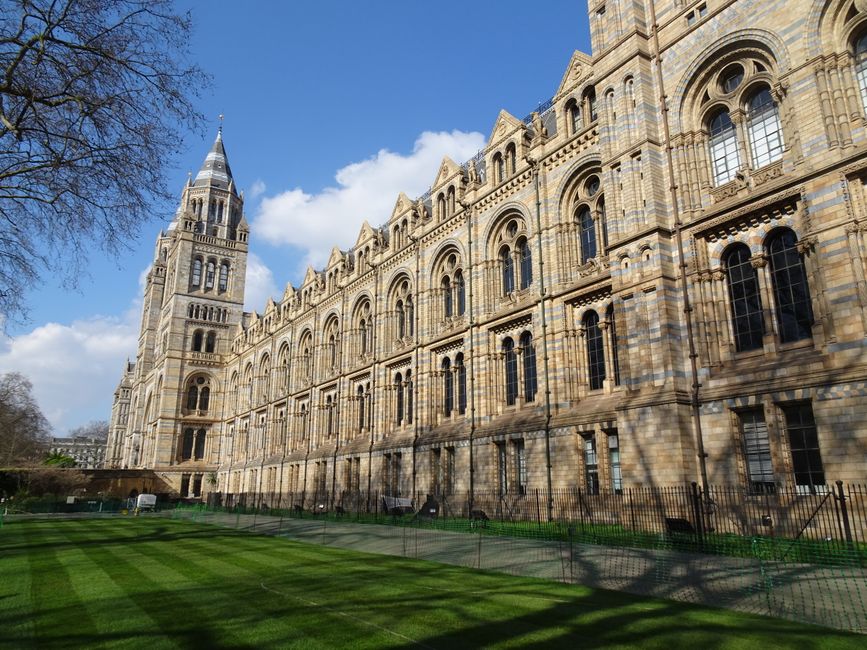
If you're looking at the frontage around the Natural History Museum and thinking it needs to look sharper, calmer, and better cared for, you're not alone. Front garden spaces in Brompton have a funny way of carrying a lot of weight: they're the first thing people notice, they shape the tone of a building, and they need to look good even after a wet week, a windy weekend, or a burst of foot traffic. Natural History Museum frontage gardening services Brompton is really about that balancing act - making the entrance feel polished without making it look overworked.
In practice, this kind of frontage care is a mix of tidy planting, precise maintenance, careful seasonal refreshes, and a good eye for presentation. It can include ongoing upkeep, hedge trimming, lawn care where turf exists, soft landscaping, clearance, and small refinements that keep everything looking intentional. Below, you'll find a practical guide to how frontage gardening works, what to expect, and how to choose the right approach for a prominent Brompton setting.
Why Natural History Museum frontage gardening services Brompton matters
A frontage is not just decorative. It sets expectations. The moment someone approaches a museum entrance, a terrace property, a commercial frontage, or a public-facing building in Brompton, the planting tells a story before anyone speaks. Is it tidy? Is it cared for? Does it feel welcoming, or has it slid into that slightly neglected look that happens so quickly in London weather?
For a place associated with culture, visitors, and constant visibility, the stakes are higher than they might be for a back garden. Frontage planting has to hold its shape, resist daily wear, and still look coherent from a distance. That means the gardening approach needs to be more disciplined than "just tidy it up a bit." It needs structure, consistency, and timing.
There's also the Brompton context. Streets and frontages here tend to reward restraint rather than excess. Overcrowded borders, overgrown edges, or plants that flop across walkways can make a frontage feel busy in the wrong way. A cleaner, more architectural planting scheme is often the better answer. Truth be told, the best frontage gardens are often the ones you barely notice until they're gone.
Expert summary: Good frontage gardening is about presentation first, maintenance second, and judgement all the way through. If a space is highly visible, every cut, edge, and seasonal change needs to feel deliberate.
That's why many property managers and site owners look for ongoing garden maintenance rather than one-off fixes. Consistency keeps the frontage from swinging between immaculate and unruly, which is exactly what tends to happen when care is left too long between visits.
How Natural History Museum frontage gardening services Brompton works
Frontage gardening for a prominent Brompton site usually starts with an assessment. The gardener or site team looks at the current condition, the light levels, drainage, access points, plant health, and how people move through the space. That last part matters more than people think. A plant may look lovely in plan view, but if it narrows a path or obscures sightlines, it quickly becomes a problem.
From there, the work is usually broken into manageable tasks. On some sites, it is mainly about trimming, deadheading, edge definition, and litter removal. On others, there may be planting design, bed reshaping, hedge work, clearance, and periodic renewal. If the frontage includes larger shrubs or small trees, careful coordination matters even more. For that kind of work, tree lopping and removal may be part of a broader maintenance plan, though only where it is genuinely needed and suitable.
In a real-world setting, the schedule often changes through the year. Spring can be about recovery and rebalancing. Summer is usually about keeping growth in check. Autumn asks for leaf management and structural tidying. Winter can be the time for pruning, planning, and preparing beds for the next season. It sounds simple, but it is the rhythm that makes frontage gardening work.
One thing worth saying: good service is rarely dramatic. It's measured, predictable, and calm. You arrive on site, do the job properly, and leave the frontage looking like itself - only better. No fuss. No clutter. Just a front that feels cared for.
Key Benefits and Practical Advantages
The obvious benefit is visual quality, but that's only the start. A well-maintained frontage can reduce complaints, improve wayfinding, support safer access, and create a more dignified first impression for visitors. In the museum context, that can be especially important because the entrance area often carries a high volume of pedestrians, deliveries, and daily attention.
- Stronger curb appeal: A clean, balanced frontage helps the whole property feel more welcoming and professional.
- Better visitor experience: People notice when an entrance is uncluttered, clearly edged, and easy to approach.
- Safer movement: Tidy planting reduces trip hazards, blocked paths, and overhanging growth.
- Seasonal resilience: Regular care helps plants survive London's stop-start weather patterns more reliably.
- Reduced emergency work: Ongoing maintenance is usually less disruptive than trying to recover a neglected frontage later.
There's a quieter benefit too: confidence. When a frontage is under control, everyone else - staff, visitors, and property managers - feels it. It removes a little friction from the day. Not glamorous, perhaps, but absolutely real.
If the frontage includes lawned areas, even small ones, careful mowing and edging can change the whole tone. See lawn mowing for the sort of neat finish that keeps grass from looking patchy or left behind. If the space is more planted than turfed, hedge lines and structural shrubs often do the visual heavy lifting, which is where hedge trimming can make a surprising difference.
Who This Is For and When It Makes Sense
This kind of service is not only for museums, despite the topic. It suits any highly visible frontage in Brompton that needs to look polished and stay that way. That might include galleries, educational buildings, heritage properties, managed residences, commercial entrances, and public-facing venues with a formal or semi-formal garden strip.
It makes sense when one or more of these apply:
- the frontage has become uneven, patchy, or visually tired
- planting has outgrown the available space
- paths, entrances, or steps need clearer edging and better visibility
- the site needs a dependable maintenance schedule rather than occasional intervention
- you want a more restrained, heritage-appropriate look
- the frontage is important to brand, visitor perception, or day-to-day presentation
It also makes sense if the site struggles with seasonal bursts of growth. One wet spell and suddenly there are soft shoots leaning into walkways, leaves collecting in corners, and borders that look a bit frayed. Very normal. Very fixable, too.
If the frontage requires a broader reset rather than just maintenance, some properties benefit from combining regular care with garden clearance or even broader landscape gardening to rebuild shape and function from the ground up.
Step-by-Step Guidance
Here's a practical way to think about frontage gardening from start to finish. The steps may vary by site, but the logic stays broadly the same.
- Assess the frontage honestly. Walk the area slowly. Look at sightlines, access points, plant health, overgrowth, and where the space feels cluttered.
- Define the visual goal. Should it look formal, naturalistic, understated, or seasonal? A frontage near a museum often works best with disciplined structure rather than busy planting.
- Prioritise safety and access. Make sure no planting spills into routes, signage, or entrance lines. That sounds obvious, but it gets missed.
- Trim and edge first. Clean lines create order fast. Hedges, borders, and paths should be shaped before any finer detail work.
- Remove dead or damaged material. Old stems, broken branches, and tired annuals can make the whole space feel neglected.
- Refresh soil and mulch where needed. A frontage often looks better after soil conditioning because it helps moisture retention and improves finish.
- Re-balance the planting. If one side has gone heavy and the other feels sparse, redistribute where possible or replant thoughtfully.
- Set a maintenance rhythm. Decide what needs weekly, fortnightly, monthly, or seasonal attention. Then stick to it. That's the trick.
One small but useful habit: photograph the frontage from the same few angles each visit. You'd be surprised how much easier it is to spot slow drift, uneven growth, or plant failures when you compare pictures rather than memory. Memory is a slippery thing, especially with gardens.
If the frontage includes hardscape features, planted edges beside paving, or timber details, it can help to coordinate with landscaping or even decking services where those elements are already part of the setting. The key is coherence. Everything should feel like it belongs to the same place.
Expert Tips for Better Results
Good frontage gardening is often about restraint. Not every plant needs to perform loudly. Not every corner needs filling. And not every season needs a full redesign. In many Brompton settings, the most successful approach is elegant, calm, and repeatable.
- Choose structure before colour. Evergreen form, clipped shapes, and dependable outlines usually matter more than flashy seasonal bursts.
- Use repetition wisely. A repeated plant palette looks more intentional than a scattered mix of near-identical ideas.
- Respect the building's character. A frontage near a historic institution should not fight the architecture. It should support it.
- Allow breathing room. Plants need space to mature without tangling into walkways or each other.
- Plan for maintenance, not just planting day. Some gardens look brilliant for two weeks and then become a chore. That's avoidable.
One rule I'd strongly keep in mind: if the upkeep burden is too high, the design is probably wrong. Beautiful, yes. Sustainable, maybe not. And that matters, because frontages need to be reliable. You want a garden that can survive a rainy Tuesday in March without falling apart.
Where waste handling or cuttings become frequent, consider a process that includes recycling and sustainability. A frontage can look immaculate while still being managed responsibly, and honestly, that's the better standard now.
Common Mistakes to Avoid
A lot of frontage problems come from good intentions applied at the wrong time or scale. The biggest mistake? Treating a public-facing garden like a private back garden and hoping it will sort itself out. It won't.
- Overplanting: Too much planting quickly turns into crowding, then into visual mess.
- Ignoring maintenance windows: Miss two or three cycles and suddenly you're fighting nature instead of guiding it.
- Using the wrong plants for exposure: A site that faces wind, shade, or reflective heat needs species that can actually cope.
- Skipping access checks: A lovely bed is not lovely if it blocks a path or hinders cleaning access.
- Letting hard edges soften too far: Once paths and borders lose their definition, the whole frontage feels less cared for.
- Chasing constant change: Reworking a frontage every season without a plan often creates inconsistency rather than improvement.
Another common issue is underestimating how fast a site changes after rain, frost, or a growth spurt. What looked tidy on Monday may need attention by Friday. That's not failure; it's just garden life in London. Slightly annoying, but normal.
If the site has become seriously tangled or tired, a reset through garden clearance may be the right first move before any fine detailing begins.
Tools, Resources and Recommendations
Frontage work does not need a van full of flashy equipment. It needs the right tools, used carefully. A well-kept set of basics often matters more than any specialist gadget.
| Tool or resource | What it helps with | Why it matters for frontage work |
|---|---|---|
| Hand shears | Light shaping and finishing cuts | They give a cleaner result around visible edges |
| Secateurs | Small pruning and deadheading | Useful for detail work without rough damage |
| Edging tools | Border definition | Sharp edges make a frontage look intentional fast |
| Leaf collection tools | Seasonal cleanup | Frontages need to stay clean, especially in autumn |
| Mulch and soil improvers | Plant health and finish | They help the bed look complete, not patchy |
| Maintenance log or photo record | Tracking changes over time | Makes scheduling and quality control much easier |
For service planning, it helps to look at services overview so you can understand how maintenance, clearance, trimming, and broader landscaping fit together. If you need clarity on timing, scope, or booking, it's also sensible to review pricing and quotes before work begins. No one likes surprise scope creep. Nobody.
You may also want to understand the team behind the work. A little trust goes a long way on a visible site, so a page like about us can help you gauge whether the approach feels practical and grounded.
Law, Compliance, Standards, or Best Practice
For a frontage near a major visitor destination, compliance and best practice are not side notes. They shape how work is carried out. That does not mean every job is complicated, but it does mean gardeners need to behave carefully around access, safety, waste, and site rules.
In the UK, good practice usually includes sensible attention to safe access, tidy work areas, responsible waste handling, and clear communication with the client or site lead. For public-facing or higher-traffic areas, it is especially important that paths remain usable and that tools, cuttings, and debris do not create trip hazards. If the frontage is part of a larger managed property, coordination with building operations matters too.
Insurance and safe working methods matter here as well. It is reasonable to expect a contractor to work in line with their own health and safety procedures, to handle site conditions responsibly, and to be clear about any limits to the work. A useful place to look for that kind of reassurance is health and safety policy and insurance and safety. These pages don't replace site-specific judgement, of course, but they do give you a sense of how seriously a company treats the basics.
Data and privacy also matter if quotes, access arrangements, or contact details are being handled. For that side of things, see privacy policy. And if a dispute or service concern ever arises, it helps when there is a clear route for handling it, which is why complaints procedure is worth checking in advance rather than after the fact.
Finally, if waste, green material, or repeated site clearance is part of the job, responsible disposal should be built in from the start, not bolted on later. That's where sustainability becomes a practical habit rather than a slogan.
Options, Methods, or Comparison Table
Not every frontage needs the same level of attention. Some need a light-touch maintenance programme; others need a more hands-on landscape reset. Here's a simple comparison to help you decide what fits best.
| Approach | Best for | Pros | Watch-outs |
|---|---|---|---|
| Routine maintenance | Frontages already in decent condition | Stable, cost-aware, keeps things tidy | Won't fix major design problems |
| Seasonal refresh | Spaces that drift through the year | Good for rebalancing and rejuvenation | Can still leave underlying structure unchanged |
| Targeted clearance and replanting | Overgrown or tired frontages | Quick visual reset, clears the pressure points | Needs careful follow-up maintenance |
| Broader landscaping | Sites needing layout or structure changes | Solves bigger functional and visual issues | More planning, sometimes more disruption |
For many Brompton frontages, a hybrid approach works best. Keep the structure tight, then add selective planting interest rather than trying to do everything at once. That's usually the sweet spot. Not too bare, not too busy.
Case Study or Real-World Example
Imagine a frontage near a landmark building in Brompton that has been left to drift for most of the summer. The border is full, but not in a good way. One shrub has pushed forward into the path, the bedding plants have gone thin at the edges, and a small hedge line has started to lean out of shape. Nothing dramatic. Just enough to make the entrance feel less composed than it should.
The first visit focuses on visibility and control. The overgrowth gets reduced, the edge line is restored, the tired planting is removed, and the paths are cleared properly. The next stage is quieter: rebalancing the bed, adding a few well-chosen plants, and setting a repeatable maintenance rhythm so it doesn't slide again. A month later, the frontage still looks calm because the structure is doing the work, not just the flowers.
That is often the hidden lesson. A successful frontage does not shout. It holds together. Visitors may never say a word about it, and that's fine. They'll feel the difference anyway.
Practical Checklist
Use this checklist when planning or reviewing frontage gardening work in Brompton:
- Is the frontage easy to approach and visually clear?
- Are paths, entrances, and sightlines free from plant spill?
- Do the plants suit the light, wind, and exposure of the site?
- Is the edge definition sharp enough to look maintained?
- Has any dead, diseased, or broken material been removed?
- Are the maintenance intervals realistic for the season?
- Is there a clear plan for waste handling and green disposal?
- Does the frontage suit the character of the building?
- Are any larger shrubs or trees being managed safely and appropriately?
- Has the work been documented so future visits are easier to plan?
If you can tick most of those off, you're usually in good shape. If not, you probably need a more structured maintenance plan rather than another quick tidy.
Conclusion
Natural History Museum frontage gardening services Brompton are about more than keeping things neat. They are about protecting first impressions, respecting the character of a visible site, and making sure the frontage works as well as it looks. The best results come from steady maintenance, sensible plant choices, and a clear eye for proportion. A frontage should feel composed, not crowded. Welcoming, not fussy.
For owners, managers, and anyone responsible for a high-profile exterior, the real value lies in consistency. Once the system is in place, the work becomes easier to manage and the frontage becomes less of a worry. Which, let's face it, is a relief in any busy London setting.
Get a free quote today and see how much you can save.
Frequently Asked Questions
What does frontage gardening actually include?
Frontage gardening usually covers trimming, edging, planting care, seasonal tidy-ups, clearance, and keeping the entrance visually balanced. On some sites it also includes hedge work, lawn care, and more structured landscape adjustments.
How often should a Brompton frontage be maintained?
That depends on the planting and how visible the site is, but many frontages benefit from regular weekly or fortnightly attention during active growth periods, then lighter seasonal visits at quieter times.
Is frontage gardening different from normal garden maintenance?
Yes, usually. Frontage work is more presentation-led and often needs a tighter finish because the area is so visible. Normal garden maintenance can be more relaxed, while frontage care tends to focus on first impressions and access.
What if the frontage is badly overgrown?
If the space has become unruly, a clearance-first approach is often best. Once the structure is visible again, you can decide whether routine care or a small redesign is the better next step.
Can frontage gardening work around a heritage-style building?
Yes, and it often should. The key is to choose planting and shaping that respect the building's character. In many cases, simpler and more structured is better than busy or overly modern.
Do you need specialist equipment for frontage work?
Not always. Good hand tools, edging tools, pruning equipment, and proper cleanup methods are often enough for a polished result. The real difference is usually skill and judgement, not flashy tools.
What are the biggest mistakes people make with frontages?
Overplanting, irregular maintenance, poor plant choice, and letting edges blur are common problems. Another one is ignoring how people actually move through the space, which leads to awkward or unsafe planting placement.
How do I know whether I need maintenance or a full redesign?
If the structure is basically sound and the planting just needs regular attention, maintenance is likely enough. If the layout feels cramped, awkward, or outdated, broader landscaping may be more suitable.
Is waste removal part of the service?
It often is, especially where cuttings, leaves, and clearance material need to be taken away. It's sensible to confirm this early and check that recycling or responsible disposal is part of the plan.
What should I look for in a gardening provider?
Look for practical experience, clear communication, sensible safety procedures, and an approach that feels suited to visible, high-standard spaces. A provider should explain what they will do, how often, and why that approach makes sense.
How do quotes usually work for frontage gardening?
Quotes are usually based on the size of the frontage, the current condition, the amount of maintenance required, and whether extra tasks like clearance or tree work are needed. For clarity, review pricing and quotes before committing.
Can frontage care be part of a wider site maintenance plan?
Absolutely. In fact, that is often the most efficient approach. Frontage work can sit alongside broader garden maintenance, helping the whole property stay consistent rather than fixing the front in isolation.
Where can I learn more about the team and services available?
A good starting point is the services overview and the about us page, which can help you understand the company's approach before you enquire further.
A well-kept frontage does not need to be loud to be effective. It just needs care, rhythm, and a steady hand. And once that is in place, the whole place feels a little easier to love.